Coffee culture in Europe – flexible packaging between variety and function
Flexible packaging solutions support different preparation habits and enable differentiation in the market
Coffee is one of the most popular everyday beverages in Europe – yet the way it is prepared varies greatly from country to country. A recent consumer survey conducted by Flexible Packaging Europe in six European countries shows that the cultural diversity between espresso pots, filter machines, fully automatic coffee machines, and instant powder reflects a direct impact on consumer behaviour and packaging needs. This diversity places specific demands on product protection, portioning, and handling – while simultaneously offering a broad field for differentiated packaging solutions in the coffee market.
The way coffee is prepared is strongly influenced by culture throughout Europe. While the espresso pot is the most popular method in Italy with 29%, 41% of respondents in Great Britain predominantly use instant coffee. In Germany, fully automatic coffee machines using beans now dominate (25%), and are also highly popular in Poland (24%). This diversity places high demands on packaging – from aroma protection to portion control.
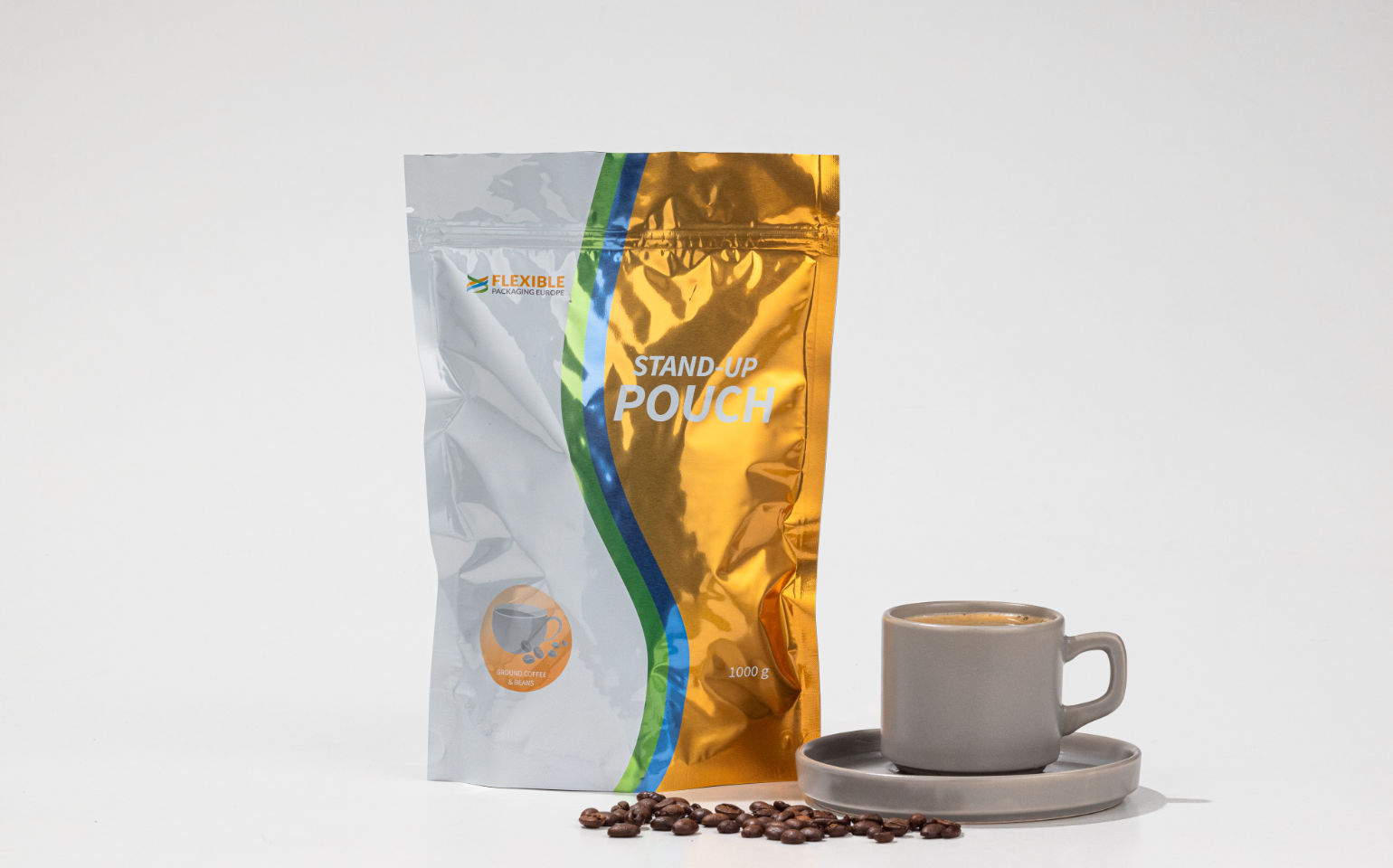
"Coffee consumption is a telling example of culturally influenced consumer behaviour. Despite all the globalisation, the way coffee is prepared remains astonishingly diverse – from espresso pots to fully automatic machines," says Guido Aufdemkamp, Executive Director of FPE. "Flexibility is therefore also required in packaging. Flexible packaging solutions, whether pouches, stick packs, or capsules, adapt to the needs of manufacturers and consumers – and demonstrate how versatile packaging can be."
A comparison of preparation preferences reveals clear differences between consumers and the experts at the European FlexPack Summit – the leading industry meeting, which took place for the first time in Barcelona in February 2025. While instant coffee (16%) and capsule coffee machines (16%) are particularly popular among consumers, instant coffee plays no role among summit participants (0%). Instead, 40% of them prefer fully automatic coffee machines with beans – compared to only 15% of the European population. Capsule systems also performed slightly better among experts (22%).
The results show that consumers value variety and often use multiple systems in parallel. Flexible packaging offers the advantage of serving multiple worlds: with formats suitable for both single-serving and bulk packs.
Consumers have high expectations of their coffee packaging: it should preserve the aroma, be easy to handle, and ideally be compatible with the respective machine. The challenge for packaging manufacturers lies in serving different preparation methods with different packaging solutions without compromising on quality or sustainability. Flexible packaging offers decisive advantages here thanks to its variety of materials and formats, as well as improved barrier properties.
At the same time, demands for sustainability are growing. "Packaging is part of the product experience – especially with coffee, an emotionally charged everyday ritual," says Aufdemkamp. "Flexible packaging in particular can offer solutions that intelligently combine function, design, and environmental aspects."
The survey emphasises that the coffee culture in Europe is as diverse as it is demanding. This gives flexible packaging manufacturers a clear mandate: identify the specific needs of the markets, serve them in a differentiated manner and combine sustainability with convenience. Those who master this have the best chances of long-term market success in the coffee segment.
The underlying study is based on a representative survey of approximately 6,000 end consumers in Germany, France, Italy, Spain, Poland, and the United Kingdom. It was conducted by Censuswide on behalf of Flexible Packaging Europe (FPE) and covers approximately 360 million people, or over 60% of the European population. The results were supplemented by a qualitative survey of industry experts at the first European FlexPack Summit in February 2025. The comparison of consumer and expert opinions provides valuable insights into the scope for action and opportunities for flexible packaging manufacturers.
